


Send Message
Privacy statement: Your privacy is very important to Us. Our company promises not to disclose your personal information to any external company with out your explicit permission.
Select Language



Outdoor LED lighting represents the modern standard for durable, energy-efficient illumination in commercial, municipal, and industrial applications. Unlike traditional high-pressure sodium or metal halide fixtures, outdoor LED lights deliver superior lumen-per-watt efficiency, instant full brightness, and exceptional longevity with minimal maintenance requirements.
For procurement professionals, specifying quality outdoor LED solutions means significantly reducing total cost of ownership through lower energy consumption and extended replacement cycles. Whether you are sourcing for street lighting, parking lots, sports arenas, or architectural accent lighting, understanding the core technology behind reliable outdoor LED systems is essential for making informed purchasing decisions that balance performance, durability, and budget constraints.
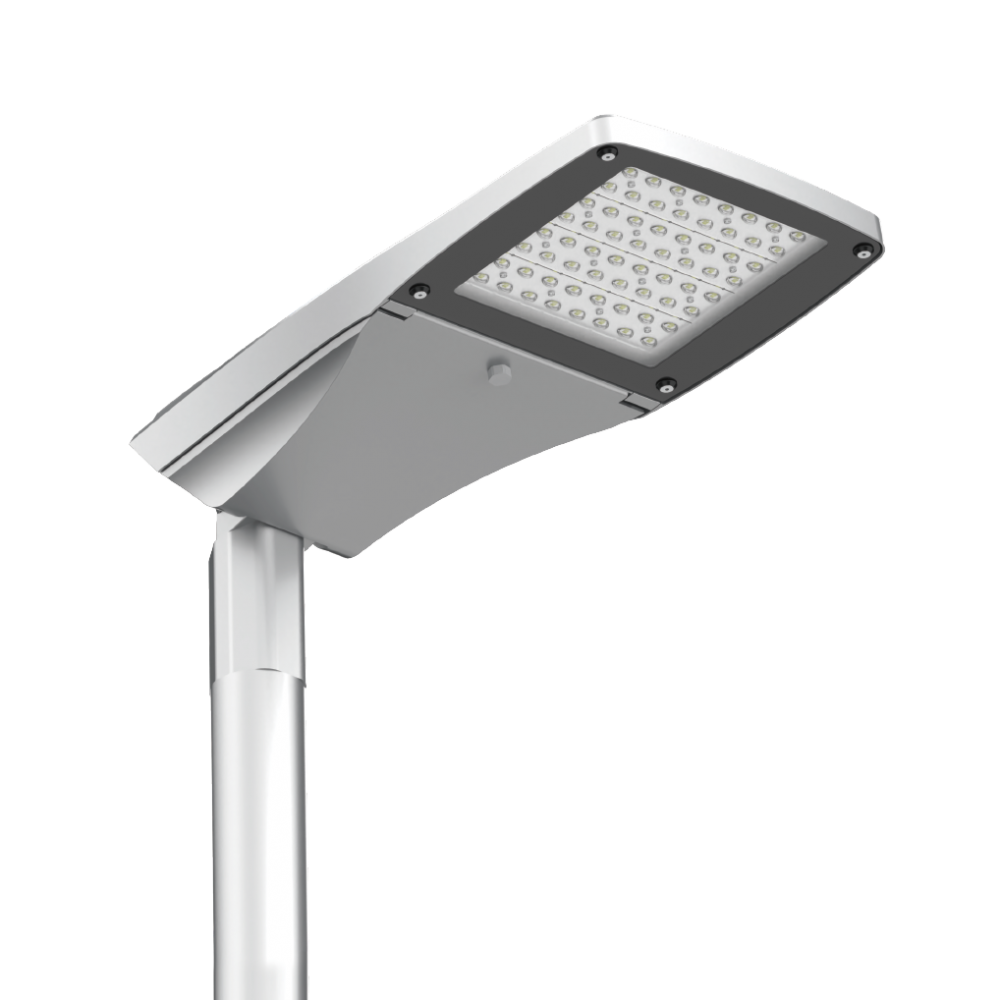
Our manufacturing facility operates under strict ISO 9001 standards, ensuring every batch of outdoor LED lights meets international quality benchmarks. We implement comprehensive quality control protocols from raw material inspection to final product testing, guaranteeing consistent performance across all orders.
IP66-rated outdoor LED lights undergo rigorous dust and water resistance testing, while IK10 impact protection ratings ensure durability against physical damage in demanding environments. Our facilities utilize advanced SMT (Surface Mount Technology) lines for precise LED chip placement, resulting in superior thermal management and longer lifespan compared to conventional assembly methods.
CE, ISO 9001, and SGS certified manufacturing processes ensure compliance with global safety and quality regulations.
Advanced aluminum heat sinks and thermal interface materials maintain optimal junction temperatures for extended LED lifespan.
IEC/TR 62778 compliant products ensure no harmful blue light radiation, protecting both human health and local ecosystems.
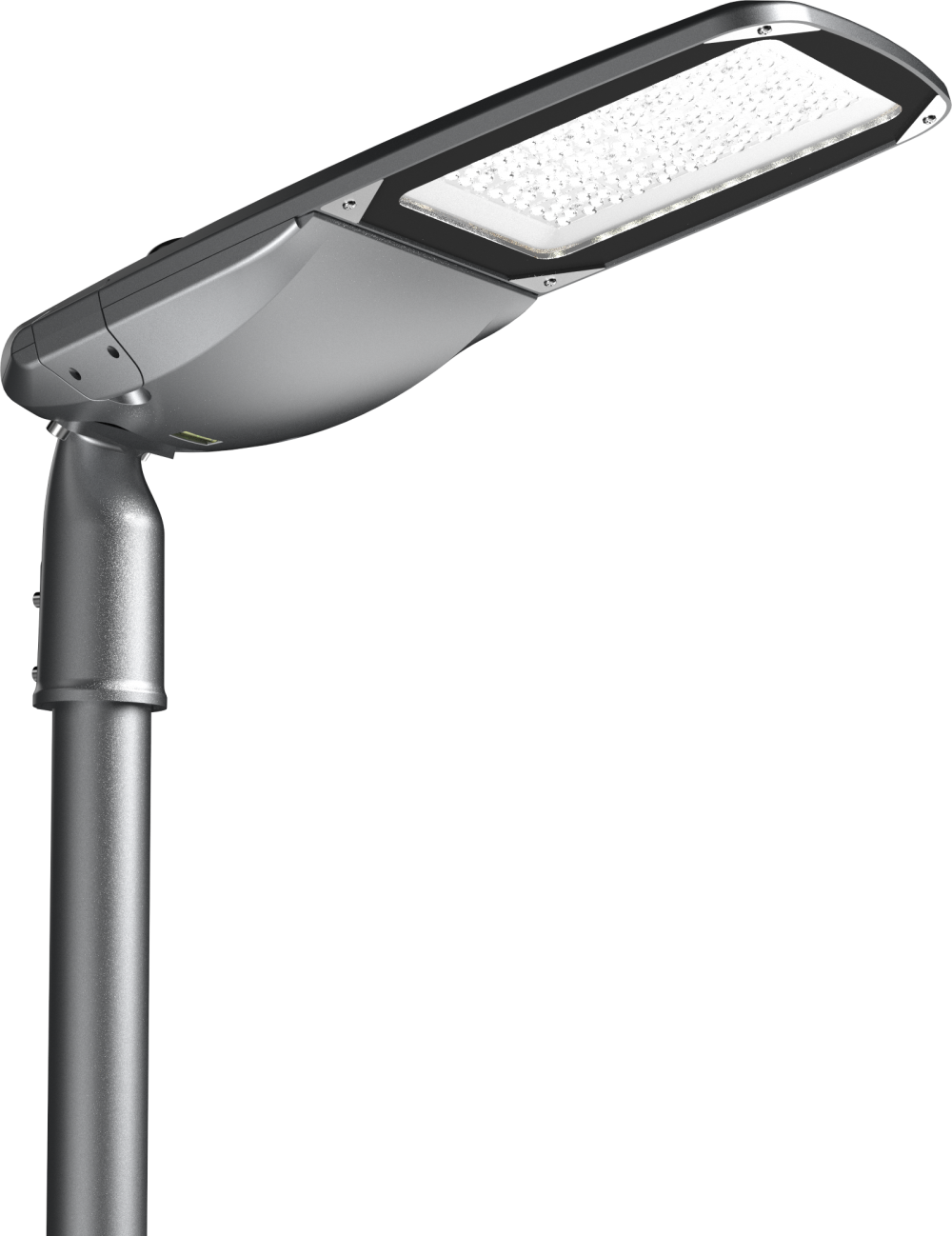
Selecting the right supplier for your outdoor LED lighting projects requires careful evaluation of multiple factors beyond price alone. Experienced buyers prioritize manufacturers with proven track records, transparent quality documentation, and responsive technical support capabilities.
When evaluating potential suppliers for wholesale outdoor LED lights, verify their manufacturing capacity, certification portfolio, and history of successful international project deliveries. Look for partners who offer comprehensive OEM/ODM services, flexible MOQ structures, and dedicated account management to streamline your procurement workflow and reduce supply chain risks.
Use this comprehensive checklist to evaluate potential outdoor LED light suppliers and ensure your procurement decisions align with your project requirements and long-term operational goals.
Understanding common pitfalls in outdoor LED lighting procurement helps buyers avoid costly mistakes and ensure project success. Many purchasing teams encounter unexpected challenges that can be prevented with proper due diligence and supplier selection.
Mixing LED batches with varying correlated color temperatures (CCT) creates visible inconsistencies across installation sites. Always request binning data and maintain consistent ordering from a single production run when possible.
Low-quality drivers and inadequate thermal design cause rapid light output degradation. Specify fixtures with verified LM-84 test reports and independent photometric data to ensure long-term performance guarantees.
Insufficient IP ratings lead to moisture ingress, corrosion, and electrical failures in outdoor environments. Verify gasket materials, sealing methods, and conduct independent IP testing for critical applications.
Unreliable lead times disrupt project schedules and increase carrying costs. Partner with manufacturers who maintain strategic component inventory and demonstrate consistent on-time delivery performance.
Outdoor LED lights serve diverse applications across municipal infrastructure, commercial properties, and industrial facilities. Understanding application-specific requirements ensures optimal fixture selection and installation outcomes.
High-mast LEDs and pole-mounted luminaires provide uniform road illumination with smart dimming capabilities, reducing municipal energy costs by up to 70% while improving public safety and visibility.
Integrated motion sensors and photocells optimize energy usage in parking areas. High-output LED floodlights deliver consistent coverage for security cameras and pedestrian pathways.
Ruggedized LED fixtures withstand harsh environmental conditions including extreme temperatures, vibration, and corrosive atmospheres, ensuring reliable operation in demanding industrial settings.
Specialized glare-controlled LED arrays provide even illumination for competitive sports venues, minimizing shadows and ensuring player safety during evening events and broadcasts.
Discreetly designed LED fixtures highlight building facades, landmarks, and public art installations while maintaining aesthetic appeal and minimizing light pollution in urban environments.
All-in-one solar LED combinations eliminate grid dependency for remote locations, offering turnkey installation solutions with integrated battery storage and intelligent charge controllers.
Selecting the right manufacturing partner is critical for successful outdoor LED lighting procurement. We recommend evaluating suppliers based on their comprehensive capabilities, proven project history, and commitment to ongoing innovation in smart lighting technologies.
Prioritize suppliers operating fully integrated facilities covering LED chip packaging, driver manufacturing, optical lens production, and final assembly. This vertical integration ensures tighter quality control, faster turnaround times, and more competitive pricing structures for bulk orders.
Choose manufacturers with documented success delivering outdoor LED lighting projects across multiple continents. Proven experience in European, African, Asian, and North American markets demonstrates adaptability to diverse regulatory requirements and climate conditions.
Evaluate suppliers offering dedicated engineering support, photometric simulation services, and comprehensive documentation packages including IES files, wiring diagrams, and installation manuals to accelerate your project deployment timelines.
Partner with manufacturers committed to eco-friendly production practices, recyclable packaging materials, and energy-efficient product designs that align with your organization's sustainability goals and corporate social responsibility initiatives.
Addressing common questions about outdoor LED lighting specifications, installation requirements, and procurement considerations helps streamline your purchasing decisions and reduces uncertainty during vendor evaluation.
High-quality outdoor LED lights typically achieve L70 lifespans of 50,000 to 100,000 hours, significantly exceeding traditional HID lighting solutions. This translates to 10-20 years of regular operation depending on daily usage patterns, substantially reducing maintenance frequency and associated labor costs for facility managers and municipal authorities.
For most outdoor applications, we recommend minimum IP65 ratings for dust protection and water jet resistance. However, fixtures installed in areas prone to heavy rainfall, flooding, or high-pressure washing should specify IP66 or IP67 ratings to ensure complete protection against temporary immersion and powerful water jets.
Yes, most reputable manufacturers offer extensive customization options including adjustable beam angles, specific color temperatures (2700K-6500K), custom housing colors, integrated smart controls, and branded packaging. Customization typically requires additional lead time but enables precise alignment with architectural specifications and brand identity requirements.
Outdoor LED lights consume 40-70% less energy than equivalent sodium vapor fixtures while delivering superior color rendering indices (CRI 70+) and instant full-brightness activation. Although initial procurement costs may be higher, total cost of ownership analyses consistently demonstrate ROI within 2-4 years through energy savings and dramatically reduced maintenance expenditures.
Standard warranty periods range from 3 to 5 years for commercial-grade outdoor LED fixtures, with premium products occasionally offering extended coverage up to 10 years. Comprehensive warranty terms should cover LED lumen depreciation, driver failure, and housing integrity defects while clearly defining exclusions for force majeure events and improper installation scenarios.
MOQ requirements vary by manufacturer and product configuration, typically ranging from 50 to 500 units for standard models. Custom-designed outdoor LED fixtures generally require higher minimum quantities due to setup costs and specialized tooling requirements. Negotiating volume-based pricing tiers can significantly improve per-unit economics for large-scale infrastructure projects.
About Us
Related Products List
Contact Us

Privacy statement: Your privacy is very important to Us. Our company promises not to disclose your personal information to any external company with out your explicit permission.
Fill in more information so that we can get in touch with you faster
Privacy statement: Your privacy is very important to Us. Our company promises not to disclose your personal information to any external company with out your explicit permission.